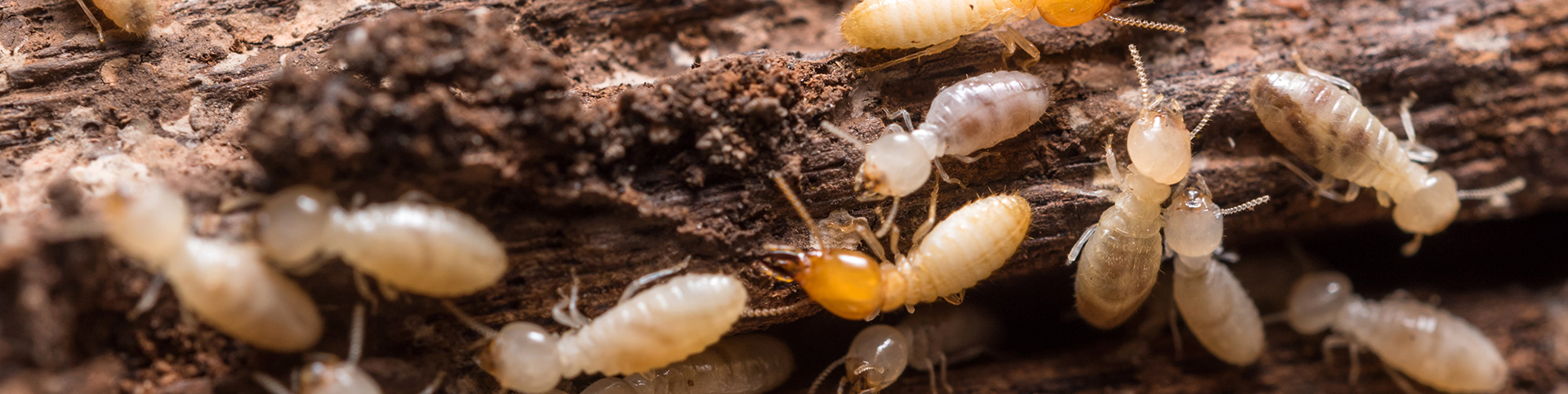
Effective Termite Control Solutions in Boston
Safeguarding Boston Homes From Silent Structural Damage
Boston is a city rich in history, but the humid summers and aging wood structures make it a prime target for the Eastern Subterranean Termite. These "silent destroyers" often compromise structural integrity long before they are visible to the naked eye, hiding behind walls or beneath floorboards. Whether you own a historic brownstone or a new construction, ignoring signs like mud tubes or discarded wings can lead to devastating repair costs. Effective termite prevention starts with understanding the unique risks facing our local neighborhoods.
At General Environmental Services, we understand how stressful a potential infestation can be for a homeowner. Since 1979, our family-owned and woman-owned business has protected thousands of properties across the Greater Boston area. We pride ourselves on providing honest assessments and superior service that you can rely on. With over 45 years of experience, our team knows exactly how to track down colonies and eliminate them, guaranteeing your satisfaction and keeping your home safe for the future.
Stop the swarm in its tracks. Call us today at (781) 679-1669, or contact us online for expert termite control in Boston.
Proactive Termite Prevention: The Key To A Safe Boston Home
Termite problems are not limited to homes already infested. Termites in Boston are known for finding their way into any property where wood meets soil, making many houses potential targets.
Here are several preventive measures that every Boston homeowner should consider for ongoing protection:
- Storing firewood away from your home helps prevent termites from having an easy route from woodpiles to your house, which is especially important during New England winters.
- Regular checks on your foundation help you identify cracks, gaps, or exposed wood early in the year, reducing the risk of an infestation by these pests.
- Routine professional inspections from a termite exterminator in Boston let you catch termite activity before it escalates, helping protect your property's value.
Many Boston homeowners ask what sets proactive termite prevention apart from routine home maintenance. Proactive prevention involves a comprehensive, year-round strategy that is tailored to the local environment and building styles. Boston’s combination of historic homes and newer construction presents a unique challenge, so choosing a termite prevention plan from a local provider means your inspections will account for changing risks—such as high humidity in basements during spring and melting snow that moves moisture toward your foundation in winter. Our annual inspections are carefully timed around seasonal changes, targeting periods when colonies are most likely to spread or swarm. We also advise residents and businesses on practical steps specific to the Boston climate, such as ventilating crawl spaces to reduce moisture and trimming landscaping that touches exterior walls. This local knowledge is a cornerstone of our termite control approach.
Some homeowners might think online research prepares them to tackle termite prevention on their own, but effective prevention is more complex. At General Environmental Services, we stress the importance of professional experience in this area. Instead of responding only after a problem develops, our focus is on proactive measures. With our annual home inspections, we are committed to keeping termites out. If termites do invade, our team is ready to respond and help.

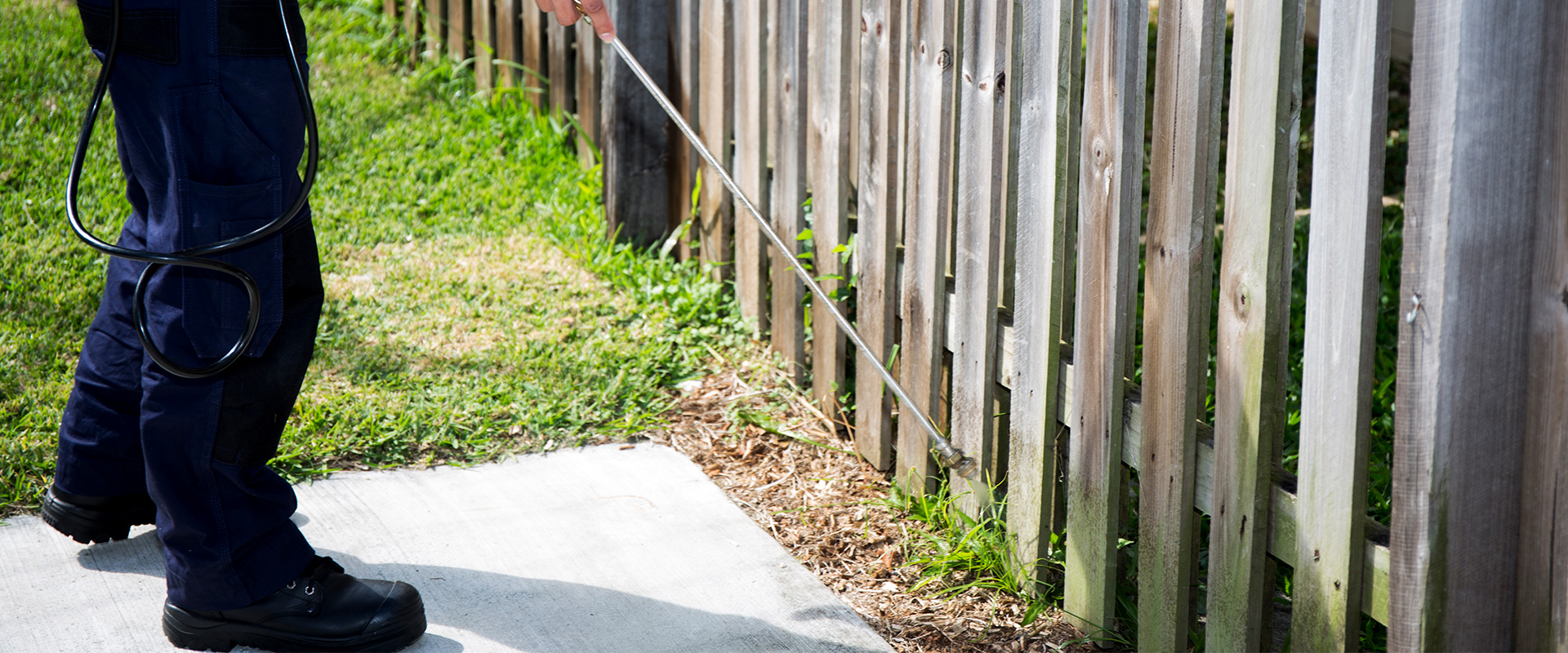
Spotting The Signs And The Process Of Eradication
Termites are skilled at remaining hidden, often working quietly to cause damage long before their presence is noticed. Their preferred material is cellulose, which is found in the structural wood of homes, so no property is off-limits for these pests.
Homeowners in Boston should look for these signs to identify termite activity before extensive damage occurs:
- Wood that looks as if it's been chewed on is often found in basements, attics, or crawl spaces where termites can go unnoticed.
- Sightings of what may look like flying ants, but are actually termite swarmers usually occur in the spring, a key time for new colonies to emerge in the Boston area.
- The unmistakable sight of termite droppings (frass) can accumulate near baseboards, windowsills, or under wooden beams, signaling active feeding nearby.
- Pinhole-sized damage to drywall is a subtle but important sign that termites are tunneling out of sight, particularly in older Boston homes with original plaster or wood.
Because early detection is critical, we advise Boston homeowners to pay close attention during the spring when subterranean termites are most active, particularly after periods of rain. This is when new colonies are likely to swarm and expand to nearby structures, including detached garages and outbuildings common in Boston neighborhoods. Our team uses advanced tools—like moisture meters and thermal imaging cameras—to check for hidden activity behind walls, beneath floors, and around points of entry. These technologies help us pinpoint the exact source and extent of an infestation, allowing us to deliver targeted treatments and minimize disruption to your property. As a trusted Boston termite treatment provider, we believe investing in current diagnostic methods is essential for effective termite removal and prevention.
If you find any signs indicating a termite presence or even suspect their existence, bringing in professionals is the best step. While store-bought termiticides can help, the most reliable results come from professional-grade treatments. Termite control is more than using bait or sealing up cracks; effective home pest control in Boston requires a complete strategy—something we at General Environmental Services have refined over many years.
There’s a common mix-up between swarming termites and flying ants, but the differences are clear. For example, ants have a distinct pinched waist, while termites have a more robust shape. Termites' wings are all equally long, almost twice their body size, while ants' wings are different lengths. Termites also have straight antennae, whereas ants have bent ones.

Customer Reviews
Read reviews from people in your neighborhood!
At General Environmental Services, your satisfaction is our priority! See for yourself what our customers have to say about working with us.
-
“I always appreciate the great response from GES. All team members are professional, from the customer service on the phone to the actual specialists in the field. Great job. Thank you!”- Jane D.
-
“Stanley is amazing! Best pest tech I’ve ever had at my work - couldn’t ask for a better technician!”- James W.
-
“I’ve used General Environmental for many years and they have never fallen short of providing excellent service and results.”- Edward H.
-
“Adam was punctual, gracious, and thoroughly professional. It was a pleasure to deal with him and GES.”- Amit S.
-
“We've used GES for more than a decade, and they've always gone above and beyond! They're an A+, locally owned company that takes care of its customers.”- John T.
-
I've been a customer for years, and I never have had any regrets. All the personnel are polite and professional, and the job quality is outstanding. Hats off to Craig with his wonderful personality and excellent service. I plan to remain a customer for a very long time.- Emily D.
-
“Jim, our technician from General Environmental Services, Inc. is and has been our technician for the past three years. He is always on time and follows up with any concerns we have between visits. GES is lucky to have him as a member of their team.”- Fran G.
-
“Our company, Hicks Management Group, has used General Environmental for over 20 years. They provide quarterly preventative treatments at our Boston property. Their service is excellent and reliable. They are very responsive!”- Julie S.